How We Accidentally Organized a Coachella in the Dominican Republic—Just to Make Money
Dominican Republic. A festival for 5,000 people, a headliner with a million-strong audience, an afterparty at a water park. Sounds like a well-planned event with six months of preparation and a team of producers? Almost. In reality, it was a quick deal at the intersection of tourism, influencer marketing, and good connections. We just wanted to monetize tourist traffic—and we created the biggest buzz of the season. Here’s how it happened.
My name is Kseniia Petrina, I am a marketer and CEO of Holy Marketing agency. For 13 years, I’ve been helping brands enter the Latin American and US markets—adapting marketing strategies to local realities, and collaborating with influencers, celebrities, and international brands.
I live in Punta Cana and know the market inside out. In spring 2023, we worked with Caribbean Lake Park, a water park in Punta Cana. Its business model is standard: people pay for entry and services inside. The problem is seasonality: in the low season, there are fewer tourists; in the high season, competition for their attention is huge. When I worked with the park, the high season coincided with an influx of spring breakers—students from the US and Canada who come to Latin America for beaches, parties, and Instagram content. The tourist flow is enormous, but the party infrastructure is almost non-existent. Not a single major festival spot, like in Miami or Cancún.
And so the idea was born: don’t wait for students to find places to go, but create the ideal location for them ourselves.
In Latin America, those who organize offline events earn money.
Customer attention is the most valuable resource. Digital advertising still works, but users are tired: too much similar content, too little trust. Brands are increasingly betting not on reach, but on live experiences—events that people want to photograph, discuss with friends, and remember a year later.
Latin America stands out in this regard: likes are not as important as emotions. People choose brands that become part of the culture—not just selling a service or product, but creating moments. Therefore, the strongest tools here are offline events: festivals, pop-up spaces, branded parties, local markets.
LATAM is one of the fastest-growing regions for live event revenue. This isn’t about “we held a concert for reach,” it’s about a format where you simultaneously:
- create contact with the audience;
- enhance brand awareness;
- and, if done right—earn money.
When one network replaces half a year of preparation
Typically, such events are prepared for at least six months. We had less than two months, but we had a powerful network.
- The perfect venue—already ours.
- Knowledge of the local market (light and sound contractors, food suppliers).
- And most importantly—contacts. I’ve been in influencer marketing for many years: I have a database not only of bloggers, but also of artist management, TV hosts, and celebrities. This greatly speeds up processes, especially when there’s no time at all.
How to sell a festival to those who don’t want to sell it
Tour operators want to earn as much as possible from each client. For motivation, we gave them 40% of each ticket. As a result, tour operators promoted the event themselves: with posters, mailings, and their agents on-site. We got quick sales, they—a percentage from each guest.
For the visitors themselves, we came up with a different mechanic: we launched offers at the park’s restaurant. A simple price (around $80 for entry) looked like a regular ticket, while package deals (entry, drinks, snacks, VIP access, photo with a celeb) increased the value for the customer by 3–5 times, and for the operator, in turn, it was a product that could be presented as exclusive.
The offers were not included in the ticket price sold by tour operators but worked excellently on-site: people felt they were getting more for their money—and spent more willingly. We didn’t try to make money on entry; ticket revenue had to be split with partners and tour operators. Our main profit came from food and drinks.
Just a party—boring, let’s add a celeb
To stand out from bars and nightclubs, we needed a wow factor. We decided to invite a headliner—not just a DJ, but an artist with a fan base. The choice fell on Nigerian artist Ruger—at that time, he was a superstar, his track "Bounce" was topping the charts, and a contract with the Jonzing World label (the same as Rema) added weight.
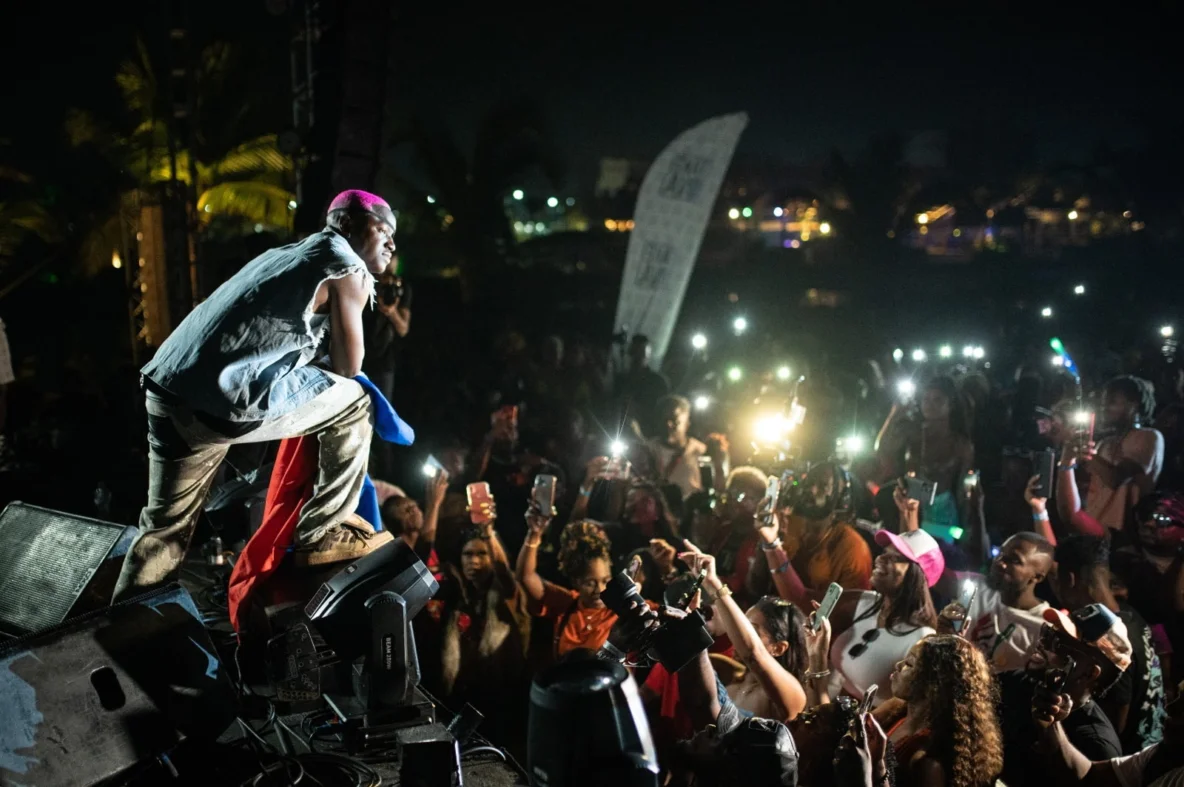
We didn’t go through a long process of castings and tenders. We simply wrote to Ruger’s management: here’s the venue, here’s the budget, here are the dates. They sent a rider (a reasonable one, by the way). Then we leveraged our connections: Marriott, one of the festival’s partners, provided the hotel for the artist; logistics and transfers were also handled by trusted contractors. Ruger arrived on a private jet, performed, and flew out the next morning.
We paid a good amount—but it was worth it. When an event has a recognizable star, it sells much better. And since there was an artist, a stage, lights, and a vibe, we decided to go all the way. We threw a massive afterparty right on the park grounds: with pools, food trucks, slides, and techno music. Everything was in sync. Almost.
How not to do festivals: especially in LATAM
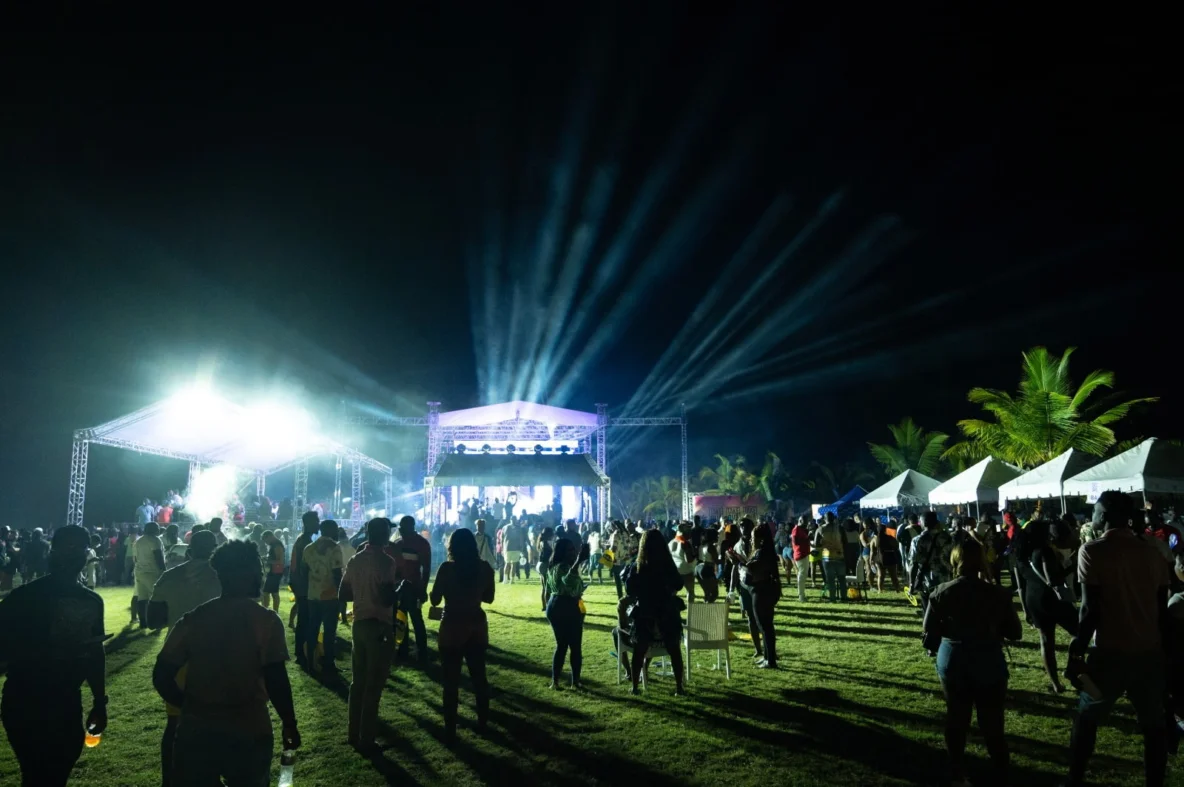
The festival required complex technical equipment: stage, lights, sound, animation—everything had to work perfectly. But, as we decided to do the event at the last minute, all contractors were already booked. In the Dominican Republic, there isn’t a large selection: if a contractor is busy with one event, they cannot simultaneously work on another event of the same scale. We had to engage various small performers for each day of the festival.
What does this mean in reality? The concert ends at 5 AM. Until 7 AM, one set of contractors dismantles the lights and stage. From 7 AM to 11 AM, another team sets up new equipment for the afterparty. At 11:30 AM, a third group comes in and... redos everything.
Conclusion: if you’re organizing a large-scale event in LATAM, budget time for chaos.
What was the result?
The festival attracted 5,000+ people per day:
- Caribbean Lake Park became the main party location of the season.
- We collaborated with many national brands, earning from tickets, and even more from food and beverages.
- Tour operators were happy because they earned money with us.
Spring breakers in the Dominican Republic aren’t just a crowd of students. They are a segment interested in events, seeking "content-worthy" recreation, and possessing purchasing power. It’s just that no one had tried to work with them as a target audience before.
This case isn’t about a brilliant strategic plan. It’s about market knowledge, access to the right people, and the desire to quickly put together something that looks impossible on paper. If an opportunity doesn’t exist—create it yourself.